Roundtable · Starting out
The One Thing We Wish We'd Known Before Opening a Practice
What is the one thing you wish you knew before starting your practice?
Practice Mindshare Podcast, Episode 1 ·
Nobody teaches you to run a business in clinical school. Every clinician on this panel learned that the hard way, in a different specialty, and arrived at a strikingly similar answer.
We asked seven of our co-founders one question. Their answers cluster around three themes: the business is a second full-time job, leadership is a skill you have to build on purpose, and you cannot do it alone.
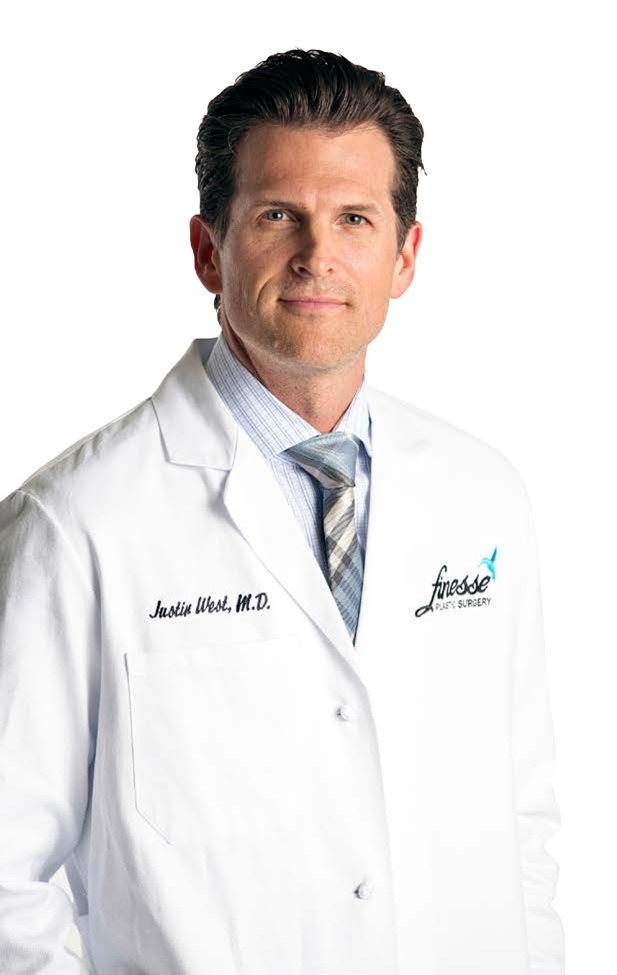
“It's a lot more work than I think most of us anticipate, but it's also incredibly rewarding.”
Dr. West started with the weight of it. Caring for patients is already a tremendous responsibility, and running a practice layers a whole business on top, one that most clinicians were never exposed to in school and have no MBA to lean on. "It's a little bit of trial by fire. You come out, you open a practice, and you realize just how hard it can be."
What balances that, in his experience, is how rewarding it becomes when the practice is run well and patients find you. It is more work than most of us anticipate, and also more rewarding.
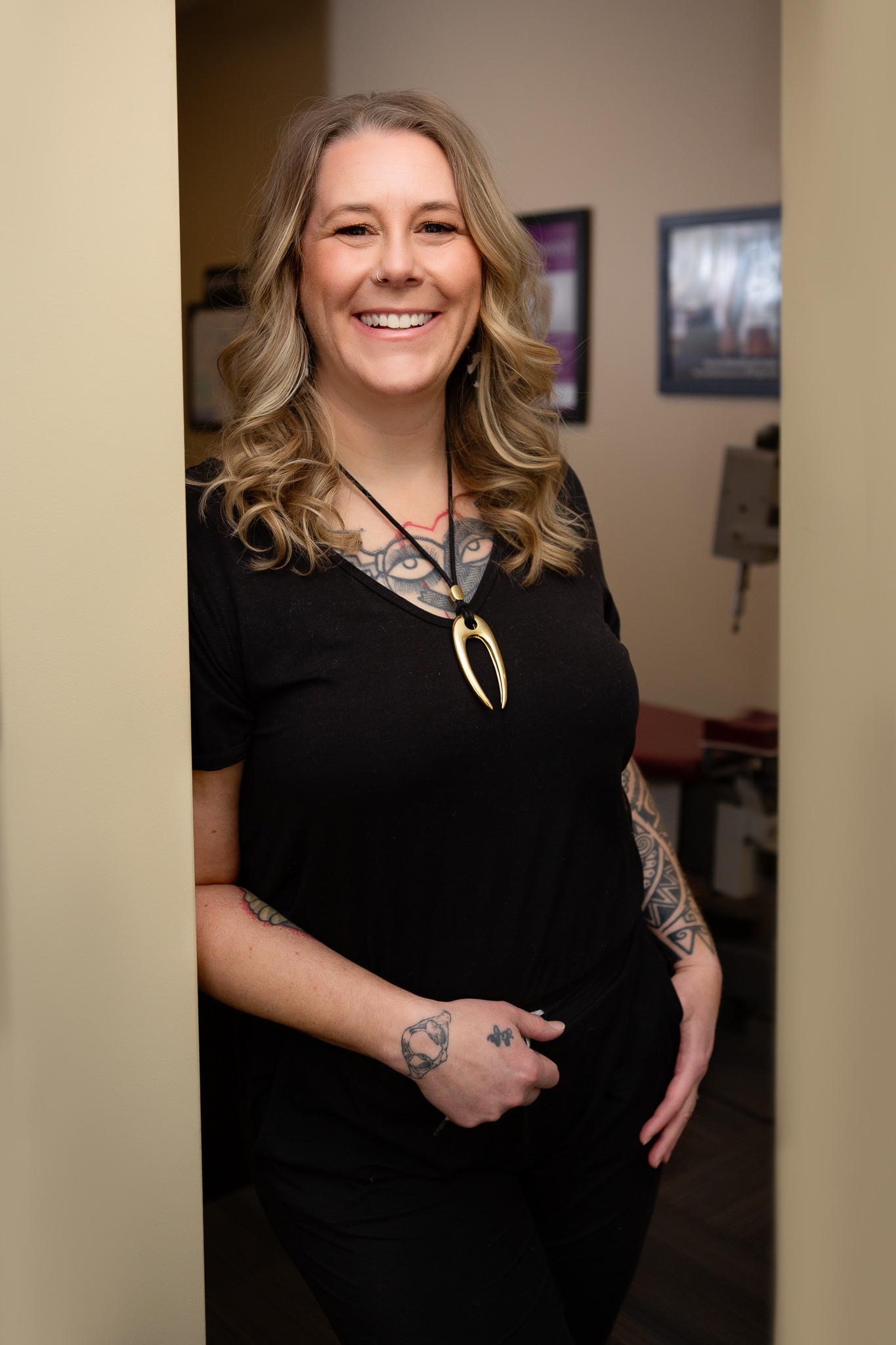
Dr. Jane Brewer
DC, DCCJP
“School prepares us to be great caregivers and great clinicians, but maybe not great business owners.”
Dr. Brewer wished someone had told her plainly that it was going to be really hard. New graduates come out fired up, expecting patients to be banging down the door, and then the financial realities of a start-up pile up. School prepares you to be a great caregiver, not a great business owner.
Her hardest lesson was learning to separate the hand that delivers patient care from the hand that has to run a profitable business. None of it is insurmountable, she said, but it demands that you surround yourself with people who are strong where you are not: a great bookkeeper, great mentors.
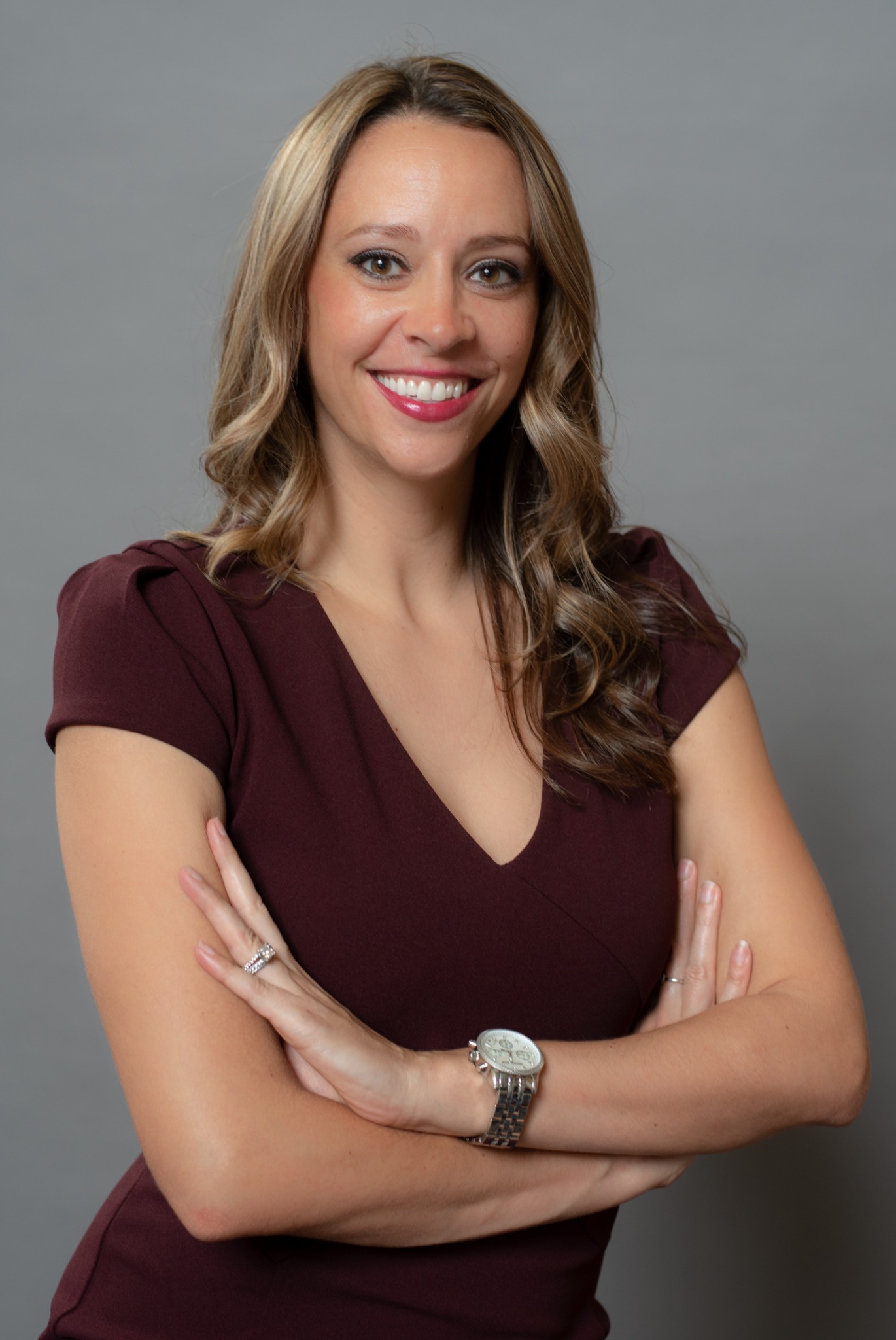
“The practice side, seeing patients, that's easy. The managing of people is really the hardest part.”
Dr. Rhue's answer was to get into business books early. She became an avid reader, and the reading is about mindset and leadership more than anything else. Seeing patients, she said, is the easy part. Managing people, and everything they bring with them, is the hardest part.
Her practical advice: get a coach, not a business consultant, a coach for yourself, to clear the limiting beliefs that keep an owner from growing. The daily question is how you fill your own cup so you can fill everyone else's.
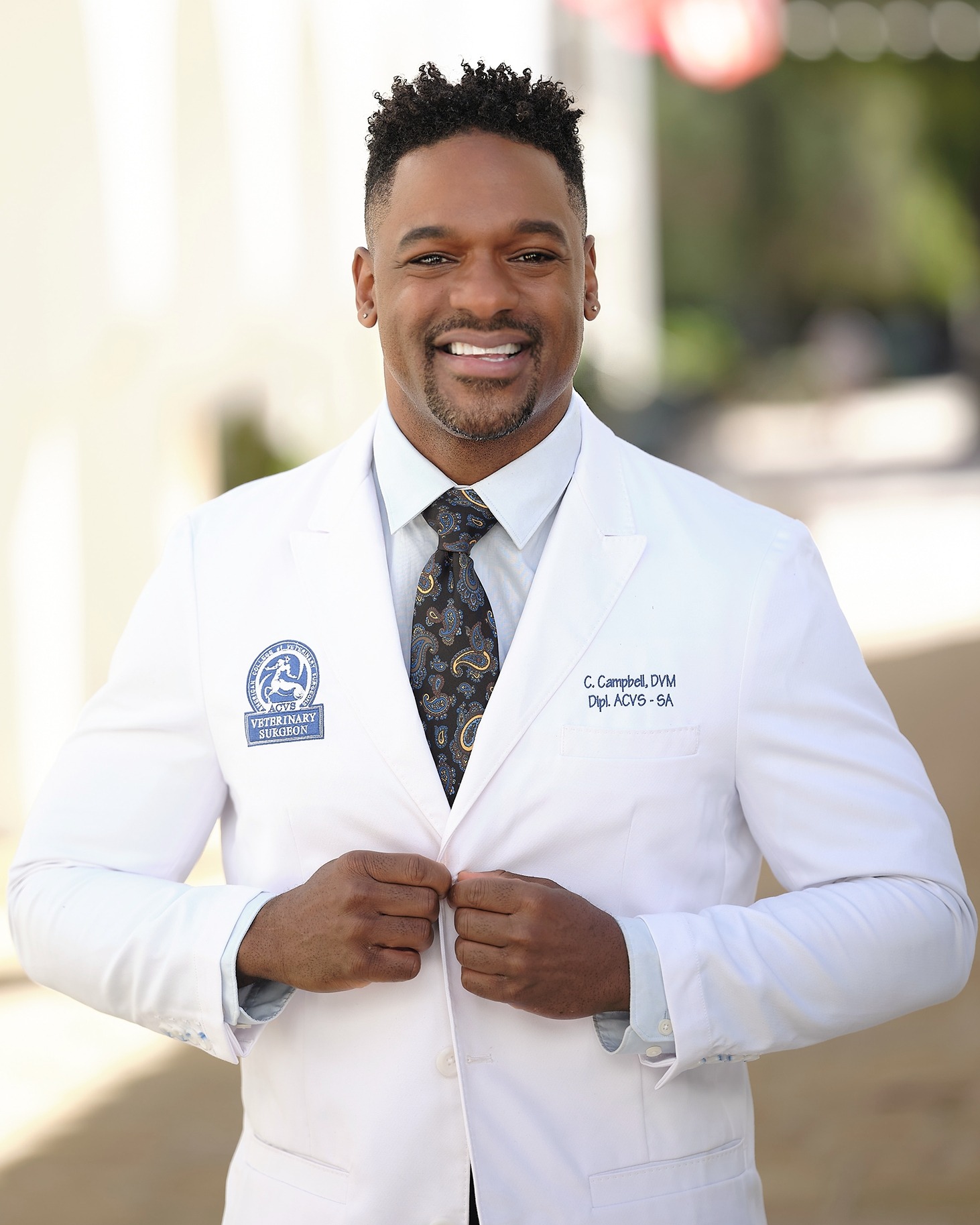
Dr. Courtney Campbell
DVM, DACVS-SA
“You're going to have a variety of roles, and you need the humility to know when you're in over your head.”
Dr. Campbell trained his whole life to do one thing, surgery, and finally got to do it on his own terms. What he did not expect was how many other roles came with it: chief marketing officer, chief financial officer, head of human resources, practice manager, groundskeeper.
His take is that wearing those hats is a sign you are thriving, because it proves you can adapt and stay intellectually nimble. The non-negotiable is humility: you do not have expertise in all of those areas, and you need to know when you are in over your head.
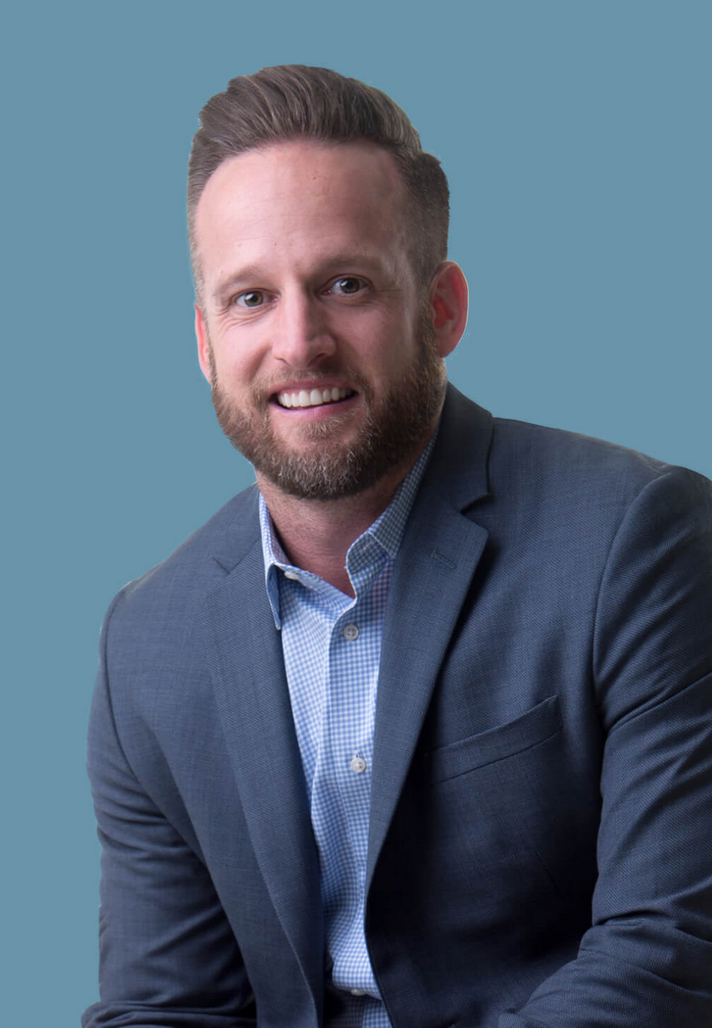
“We rarely set aside the time necessary to really work on the business.”
Dr. Harris pointed to time. Clinicians see patients every single day and practice their craft, but rarely set aside the hours needed to work on the business itself, and to build the right culture within the team. That protected time, he said, is what he wishes he had understood from the start.

“The skills we learn are the science. What was lacking were the soft skills of managing a team and leading people.”
For Dr. Ong the gap was leadership. Dental and medical school teach the science and the clinical skill to practice the profession, and very little about managing a team or leading people. Those soft skills, he said, are not inherent to the training, and they are the ones an owner uses every day.
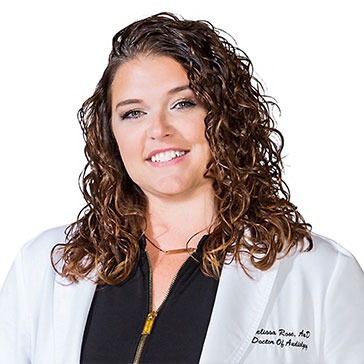
“I wish I had recognized in the beginning that I needed to delegate better.”
Dr. Rose closed on delegation. She has always been a strong leader, and that made it hard to hand control to other people, even when she knew they were perfectly capable. She has gotten much better at it, but wishes she had recognized early how important it is to let the people around you support you the way they are able to.
What the panel agrees on
- Expect a second job. The business side is as demanding as the clinical side, and nobody trained you for it.
- Block time to work on the practice, not just in it. Culture and systems do not build themselves between patients.
- Leadership and people management are learned skills. Read, get a coach, and treat mindset as part of the job.
- Surround yourself with people who are strong where you are not, and delegate to them before you have to.
Independent practices. Stronger together.
Own or work in an independent practice?
If you are an independent practice owner or work for one, simply complete the form to request membership. Membership includes The Independent Practice Thrival Guide, our e-book on building a practice that thrives, and a complimentary 20-minute Practice Strategy Session. Monthly member meetings are being planned.
Request membershipWant help putting an idea like this into practice? Mindshare Creative offers an optional practice growth review, separate from NIPA membership. Learn more