Roundtable · Retention
How Independent Practices Keep Their Patients
What is the best way to retain patients and stay in touch with them after a procedure?
Practice Mindshare Podcast, Episode 6 ·
Winning a new patient is expensive. Keeping one is mostly a matter of attention, and the three co-founders in this conversation have very different systems for paying it.
A cosmetic dentist argues that retention is a mentality before it is a tool. A chiropractor and an audiologist describe the tools they use anyway: two-way texting, a Monday newsletter, standing appointments and letters that go out by themselves.

“If you drop the ball, clean it up as quickly as possible, and don't send somebody else to do it.”
Dr. Harris acknowledges the software platforms that help practices stay in touch, and then sets them aside. What keeps people around, he said, is a mentality of patient first, finances second. His father taught him that if you take really good care of people, success follows.
The other half of that mentality is what happens when you drop the ball. If a patient is offended or something goes wrong, clean it up as quickly as possible, and do not send someone else to do it. The practice owner gets on the phone. Most people appreciate it, and that is what saves the relationship.
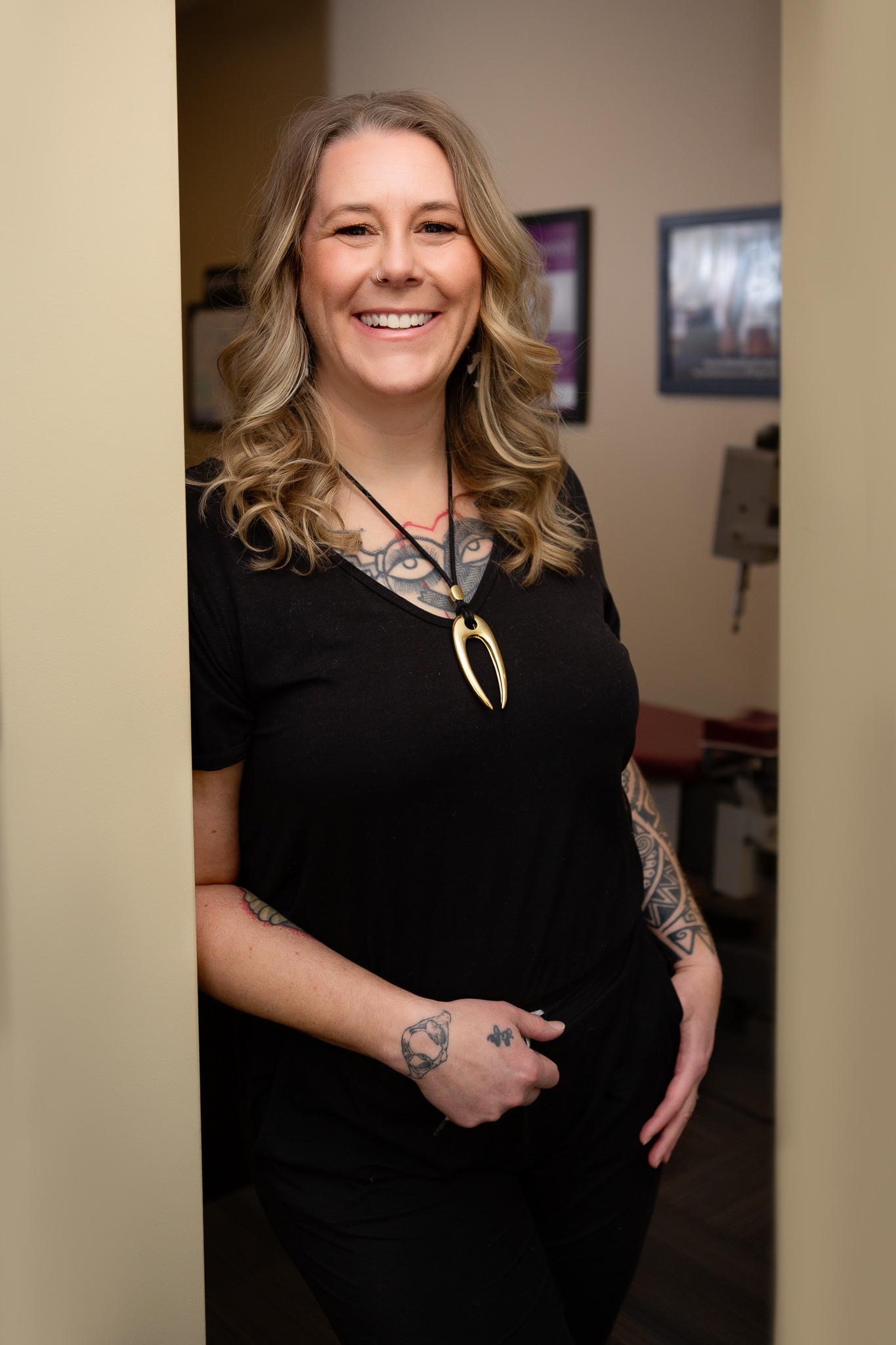
Dr. Jane Brewer
DC, DCCJP
“Once people start feeling better, they also think, 'I can come in less and less.' Staying top of mind is the job.”
Dr. Brewer starts with the obvious: deliver the goods, because results speak for themselves and people who feel better are motivated to continue. The catch is that once people feel better they also start to think they can come in less. So she has built a light layer of automation to stay top of mind.
A two-way texting platform sends a friendly note to anyone who has not been in for a month or two: we've been thinking about you, come in if you're due for a tune-up. A weekly newsletter goes out every Monday morning with office hours, upcoming closures and a short health tip or blog. Consistency is the point. She admits she forgets to schedule herself, and likes those little drip reminders as a patient.

“We don't want to wait for a patient to call, and we don't want to wait for them to have a problem.”
Dr. Rose borrowed her best retention idea from hairstylists and barbers: standing appointments. When she bought and restructured her office, she decided not to wait for patients to call or to have a problem. If they are always on the books, the practice knows it will see them, check the hearing aids, and keep the relationship warm until the day they need a new pair. Where do we want them to go then? Back to us.
The rest is automation. A service mails letters the practice wrote to anyone who missed an appointment and has not rebooked within thirty days. Reminder emails go out 48 hours before every visit with a one-click confirmation. Birthday cards send themselves. Running multiple offices is a lot of work, she said, so anything you can automate, you should, and she is sure she is only at the tip of the iceberg.
What the panel agrees on
- Retention starts as a mindset: patient first, finances second, and the owner personally repairs mistakes.
- Results keep patients motivated, but feeling better makes them drift. Build reminders that keep you top of mind.
- Put patients on standing appointments so the next visit is never left to chance.
- Automate the touch points, from missed-appointment letters to reminders and birthday cards, so the team's time goes to the people in front of them.
Independent practices. Stronger together.
Own or work in an independent practice?
If you are an independent practice owner or work for one, simply complete the form to request membership. Membership includes The Independent Practice Thrival Guide, our e-book on building a practice that thrives, and a complimentary 20-minute Practice Strategy Session. Monthly member meetings are being planned.
Request membershipWant help putting an idea like this into practice? Mindshare Creative offers an optional practice growth review, separate from NIPA membership. Learn more